
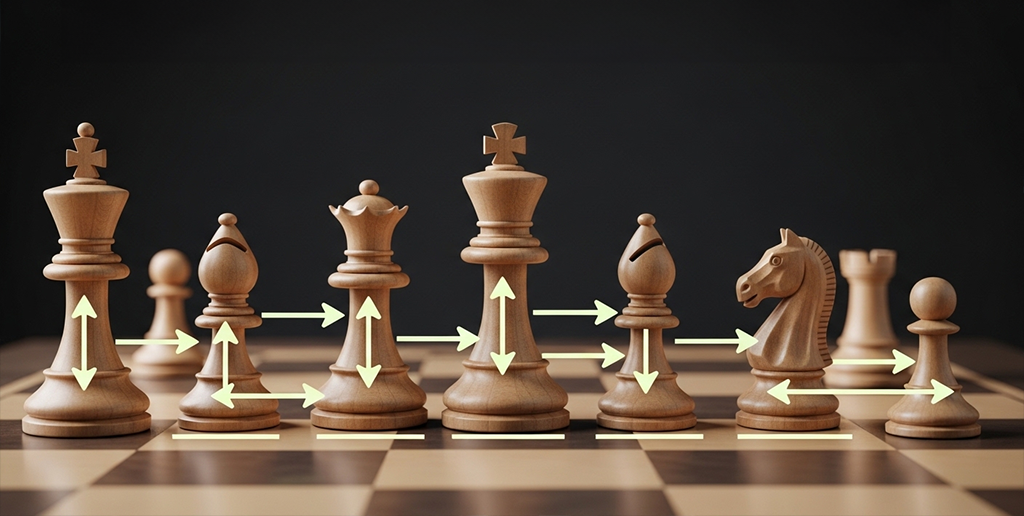
If you're learning chess, the first thing you must understand is how each piece moves. Every piece follows strict movement rules. There is no randomness. If you know the rules, you control the board.
This guide explains:
- How each chess piece moves
- How each piece captures
- Which pieces can jump
- The three special rules: castling, en passant, and promotion
Chess Board Basics
The board has 64 squares (8×8). Each player starts with 16 pieces:
- 1 King
- 1 Queen
- 2 Rooks
- 2 Bishops
- 2 Knights
- 8 Pawns
With one exception (the knight), pieces cannot move through other pieces. A piece captures by moving to a square occupied by an opponent's piece.
The King (♔, ♚)
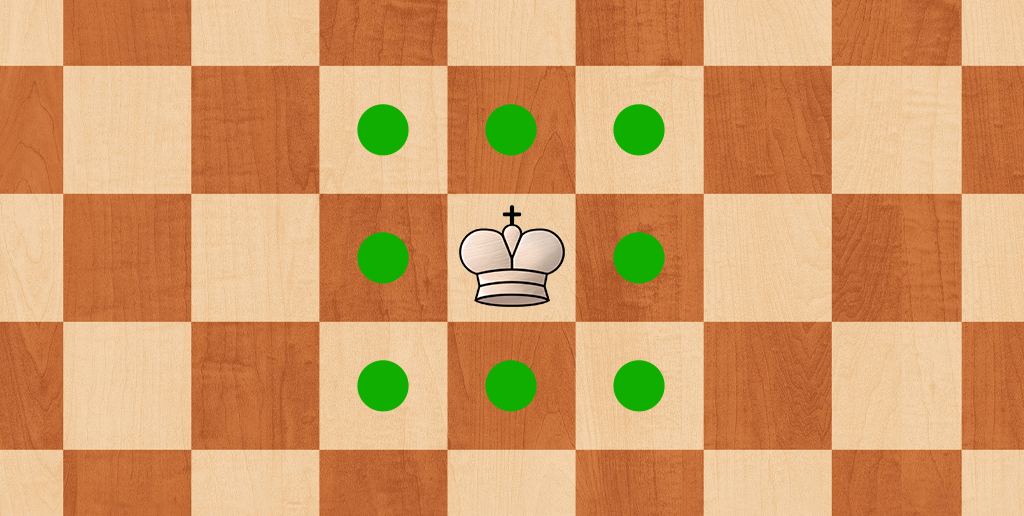
Movement: One square in any direction: horizontal, vertical, or diagonal.
Captures: Same way it moves (one square in any direction).
King Restrictions
- The king cannot move into check.
- The game ends if the king is checkmated.
- Special rule: The king can castle (explained below).
The king is the most important piece, not the most powerful.
The Queen (♕, ♛)
Movement: Any number of squares horizontally, vertically, or diagonally.
Captures: Same direction as movement.
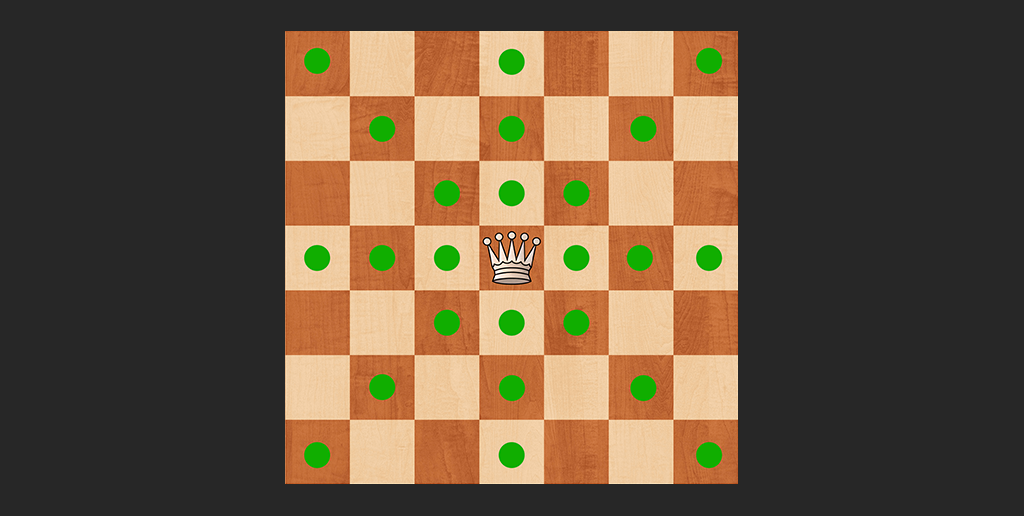
Restrictions: Cannot jump over pieces. The queen combines the power of a rook and a bishop. It is the strongest piece on the board.
The Rook (♖, ♜)
Movement: Any number of squares horizontally or vertically.
Captures: Same direction as movement.
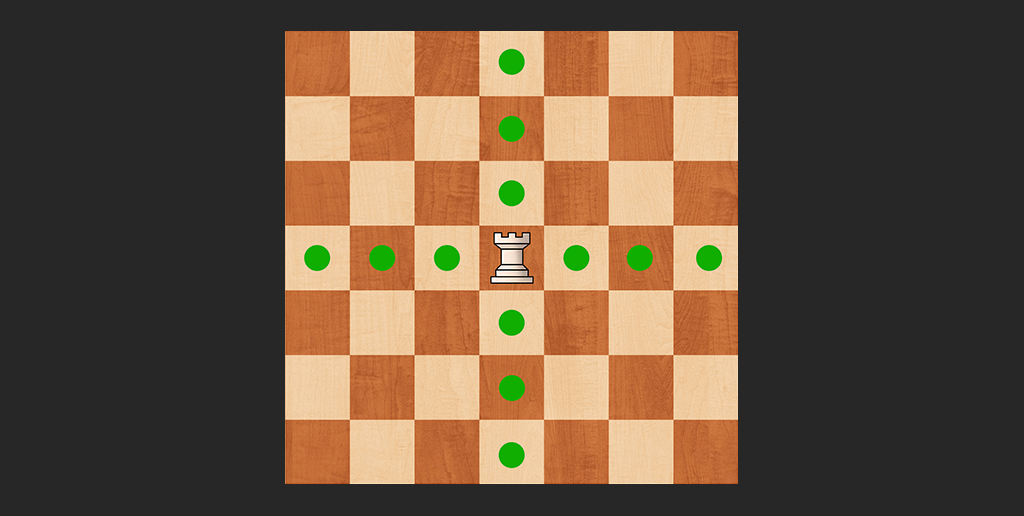
Restrictions: Cannot jump over pieces. Rooks are strongest on open files (columns with few or no pawns).
The Bishop (â™—, â™)
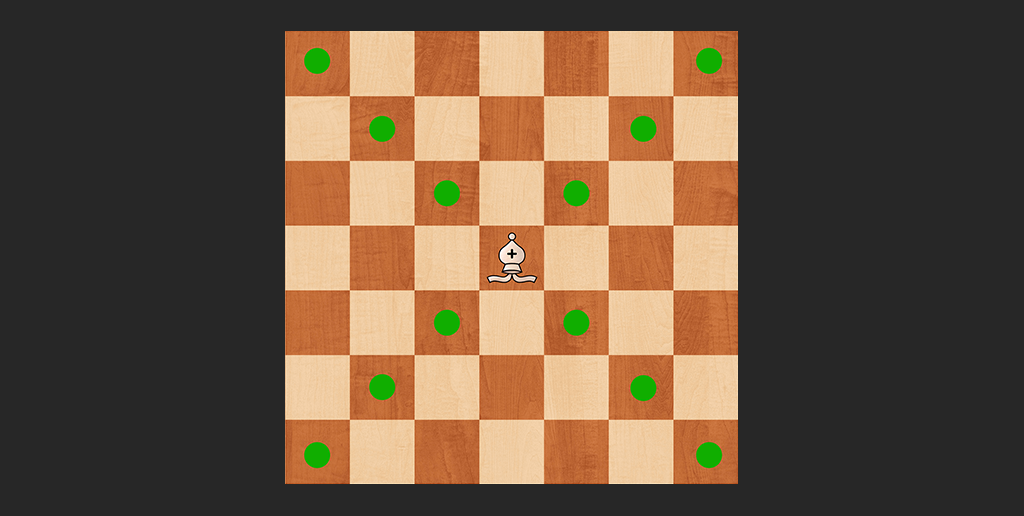
Movement: Any number of squares diagonally.
Important Detail
A bishop always stays on the color it started on. Light-square bishop remains on light squares; dark-square bishop remains on dark squares. Each player starts with one of each.
Captures: Same direction as movement. Restrictions: Cannot jump over pieces.
The Knight (♘, ♞)
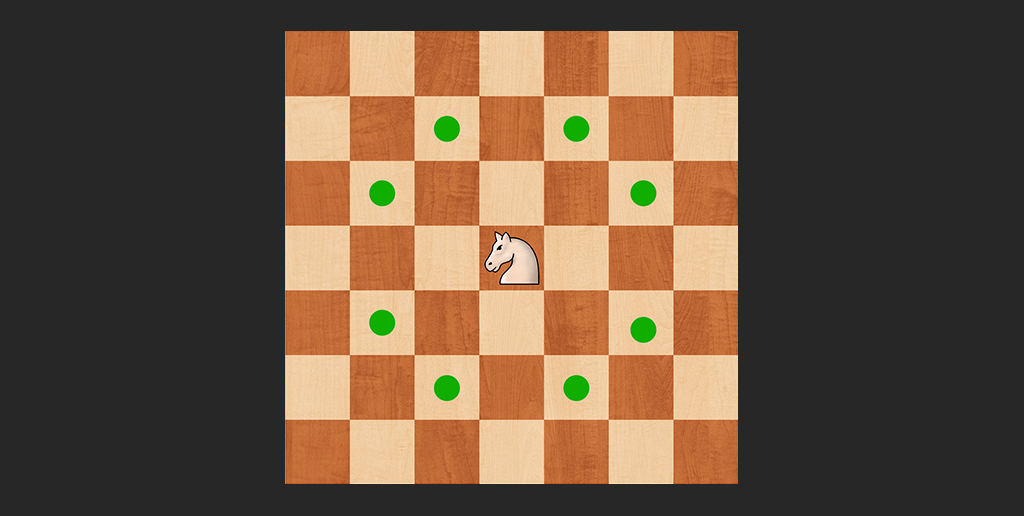
Movement: Moves in an "L" shape: Two squares in one direction, then one square perpendicular.
Captures: On the square it lands on.
The Knight's Unique Rule
The knight is the only piece that can jump over other pieces. Knights are especially effective in closed positions and are known for tactical threats like forks.
The Pawn (♙, ♟)
Pawns have the most complex rules.
Movement: Moves forward one square. On its first move, it may move two squares forward, if unobstructed.
Captures: One square diagonally forward. Pawns do not capture the way they move.
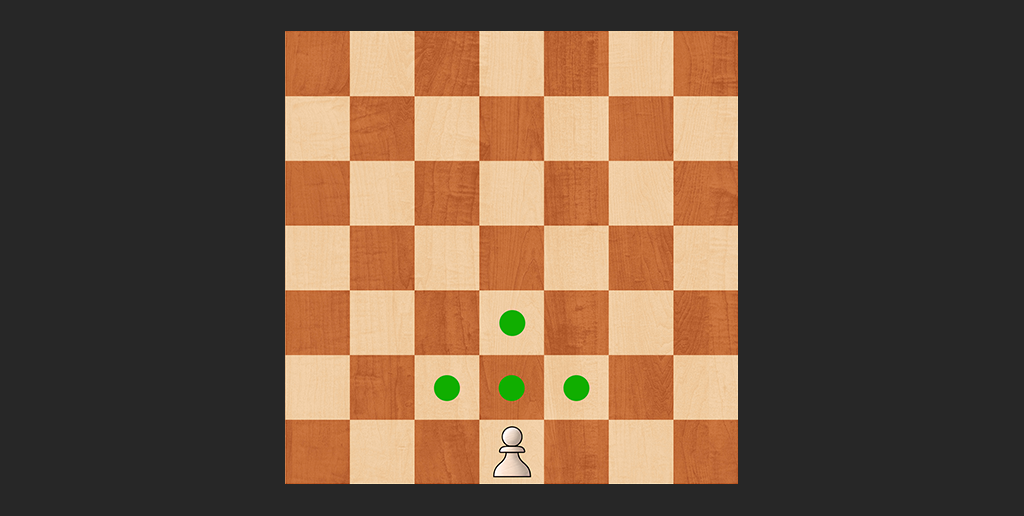
Restrictions: Cannot move backward. Cannot move forward if blocked.
Special Chess Rules
These are mandatory to understand for any serious player.
Castling
Castling is the only move where two pieces move at once (king and rook).
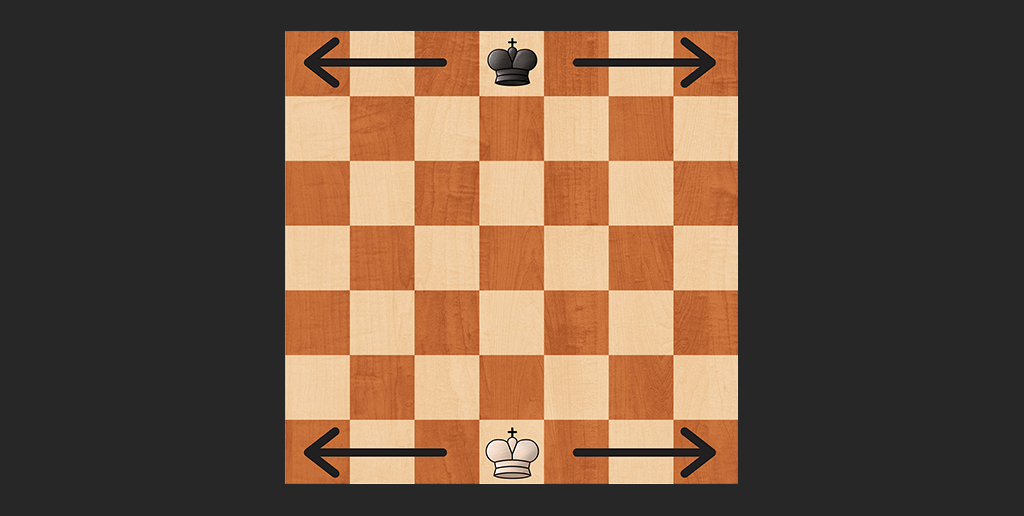
How it works: The king moves two squares toward a rook. The rook jumps to the square next to the king on the opposite side.
Conditions for Castling
- The king and the involved rook have never moved.
- No pieces between king and rook.
- The king is not in check, does not move through check, and does not end in check.
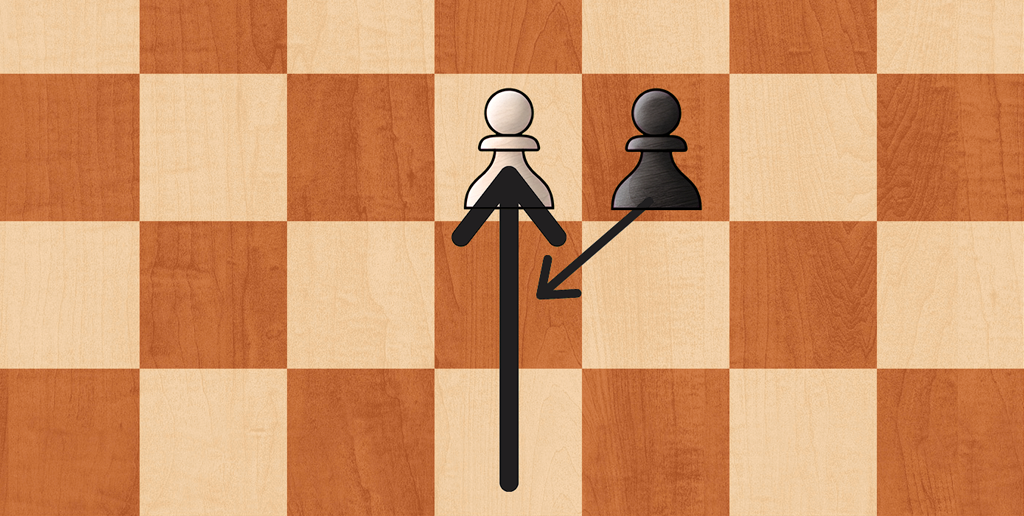
En Passant
An opposing pawn moves two squares forward from its starting position and lands beside your pawn. You may capture it as if it had moved only one square forward.
Important: This capture must be made immediately on the next move. If you do not capture immediately, the right disappears.
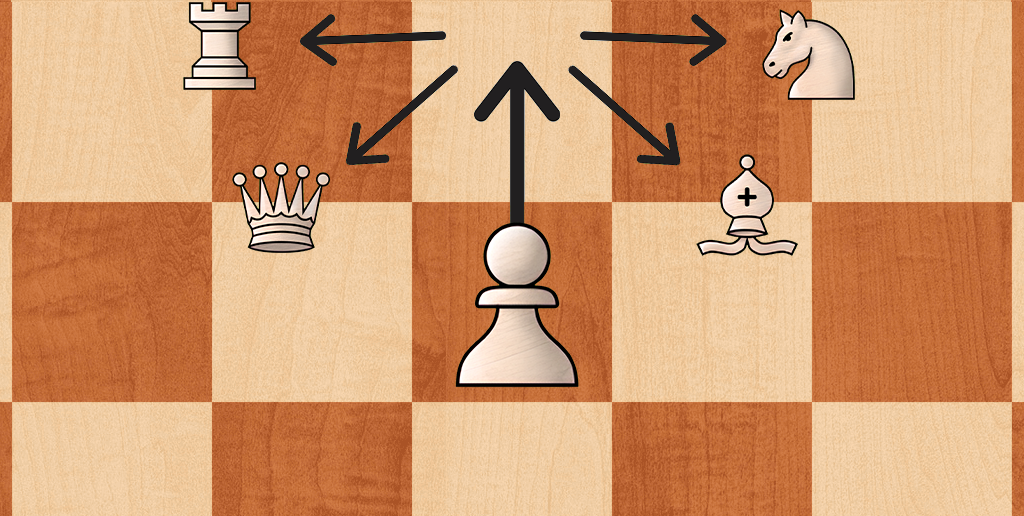
Pawn Promotion
If a pawn reaches the last rank, it must be promoted to a Queen, Rook, Bishop, or Knight. It cannot become a king.
Common Beginner Mistakes
- Trying to move pieces through other pieces.
- Moving the king into check.
- Forgetting en passant is only available immediately.
- Thinking pawns capture forward.
- Castling while in check (illegal).
Final Summary
Most pieces move in straight lines. Knights move in L-shapes and can jump. Pawns move forward but capture diagonally. The king moves one square and must never move into check. Castling, en passant, and promotion are essential special rules.
Master these movement rules first. Strategy comes later. If you don't know how pieces legally move, nothing else in chess matters.